We had built GitHub Wrapped in 2021, which reached 10,000 developers with static images and templated stories. With language models, every film could be written for the one developer watching it.
“In just a few weeks, Rubric went from initial concepts to delivering an engaging AI video experience that reached thousands of users.”
The model writes the script
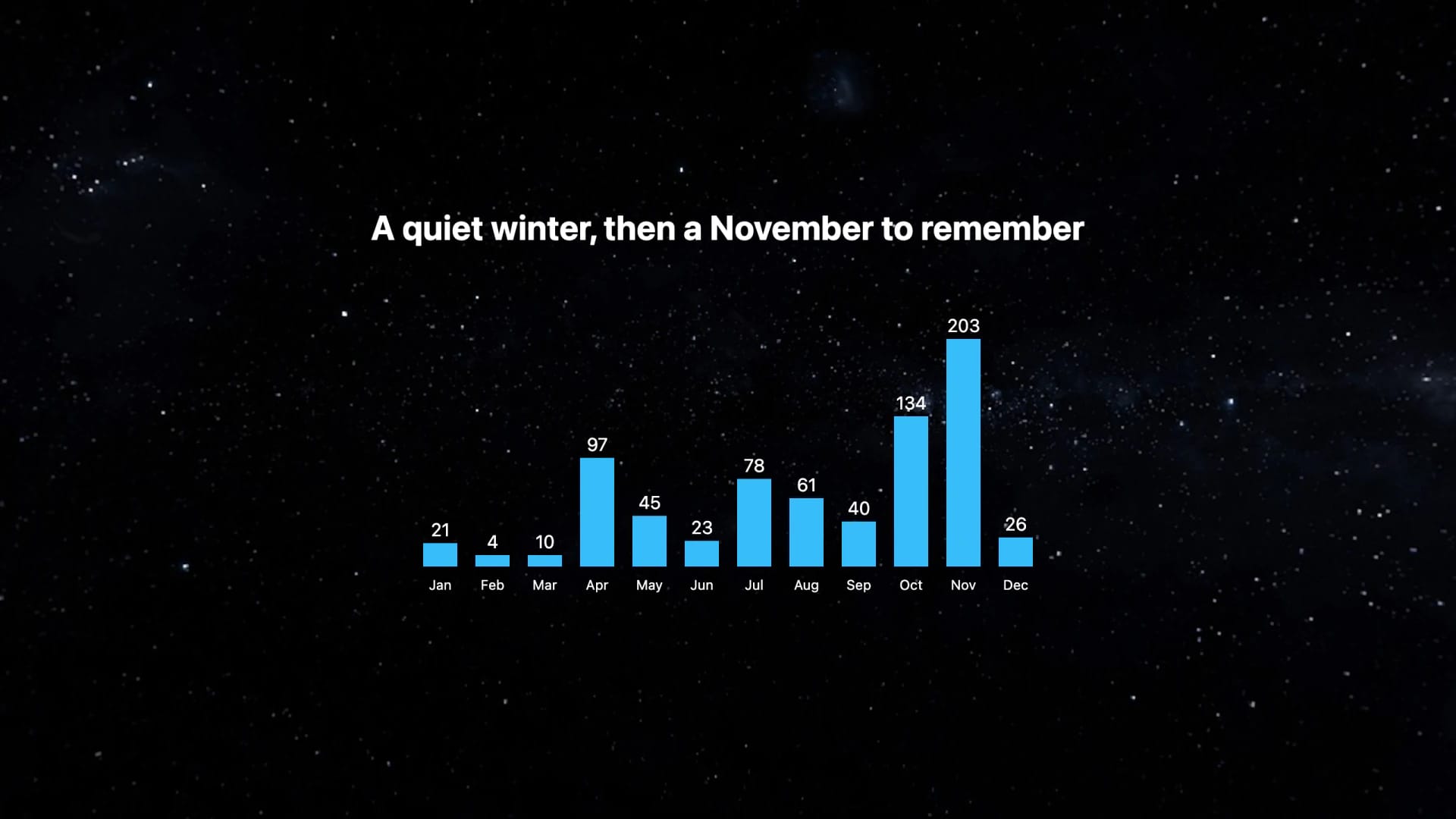
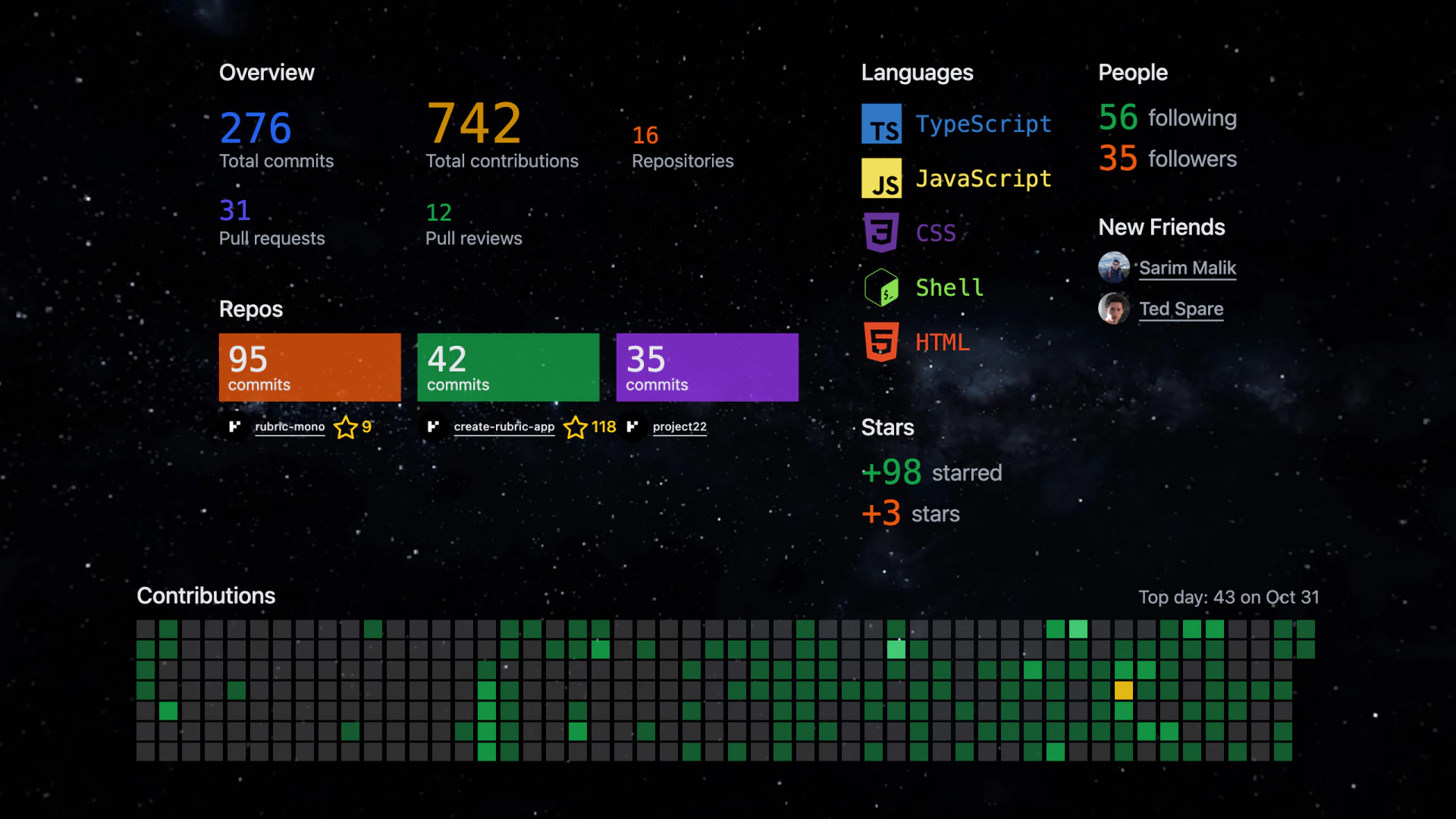
When you sign in, Year in Code reads your GitHub year: commits, pull requests, languages, repositories and stars. A model turns those stats into a one-minute film: 12 scenes of about five seconds each, scripted for you. We asked it for a story with a beginning, a middle and an end, told so the developer watching feels seen.
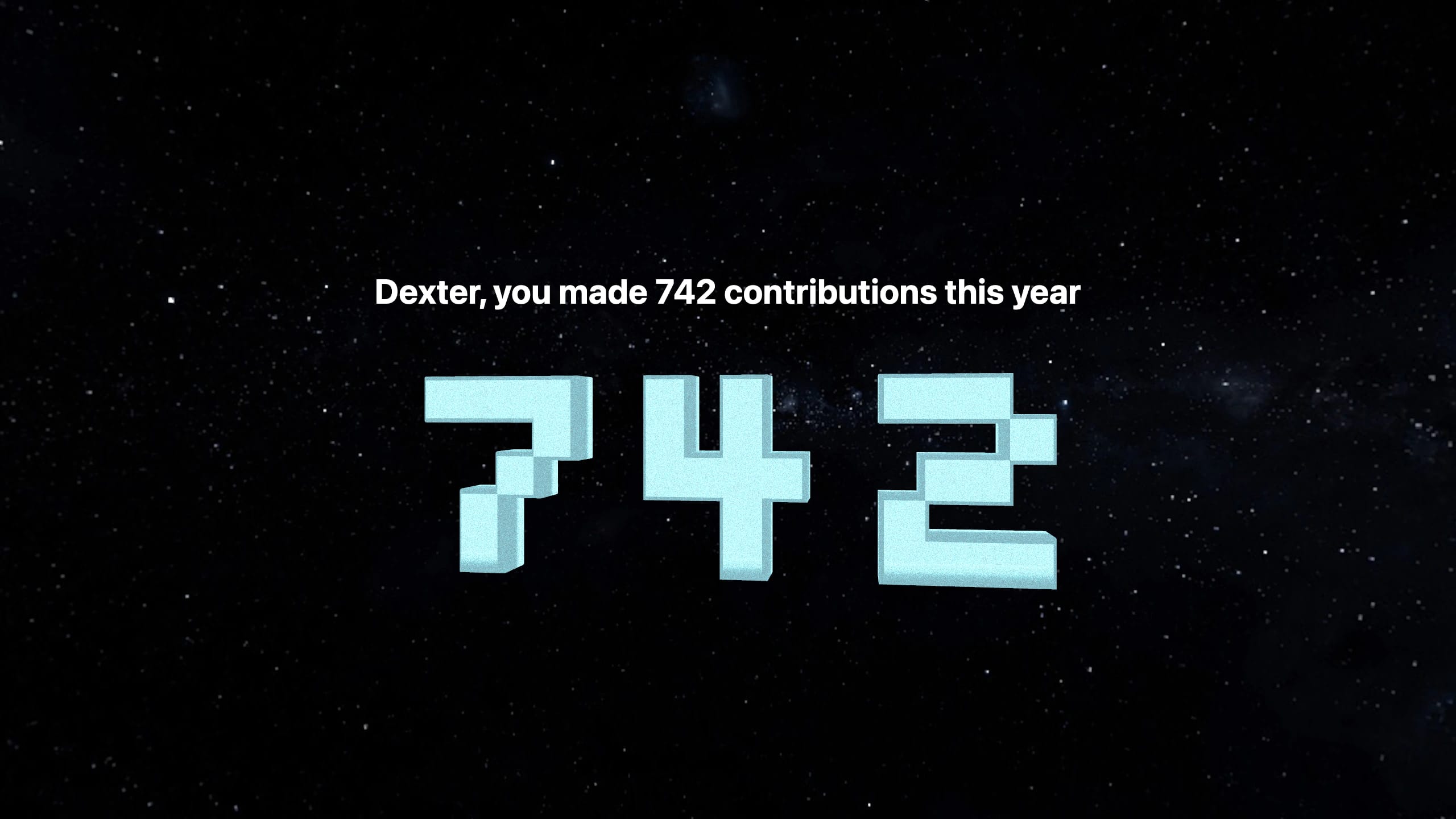
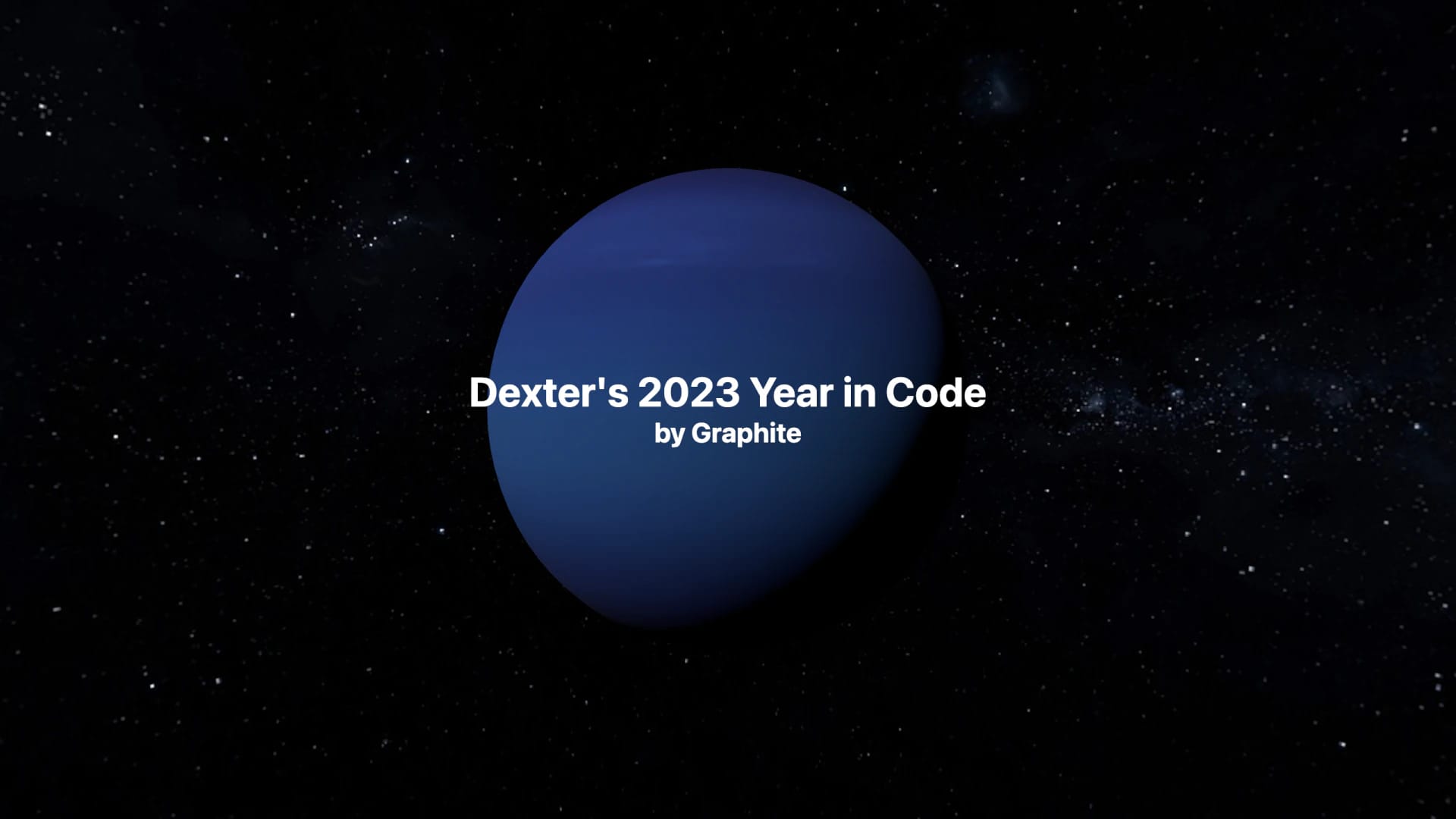
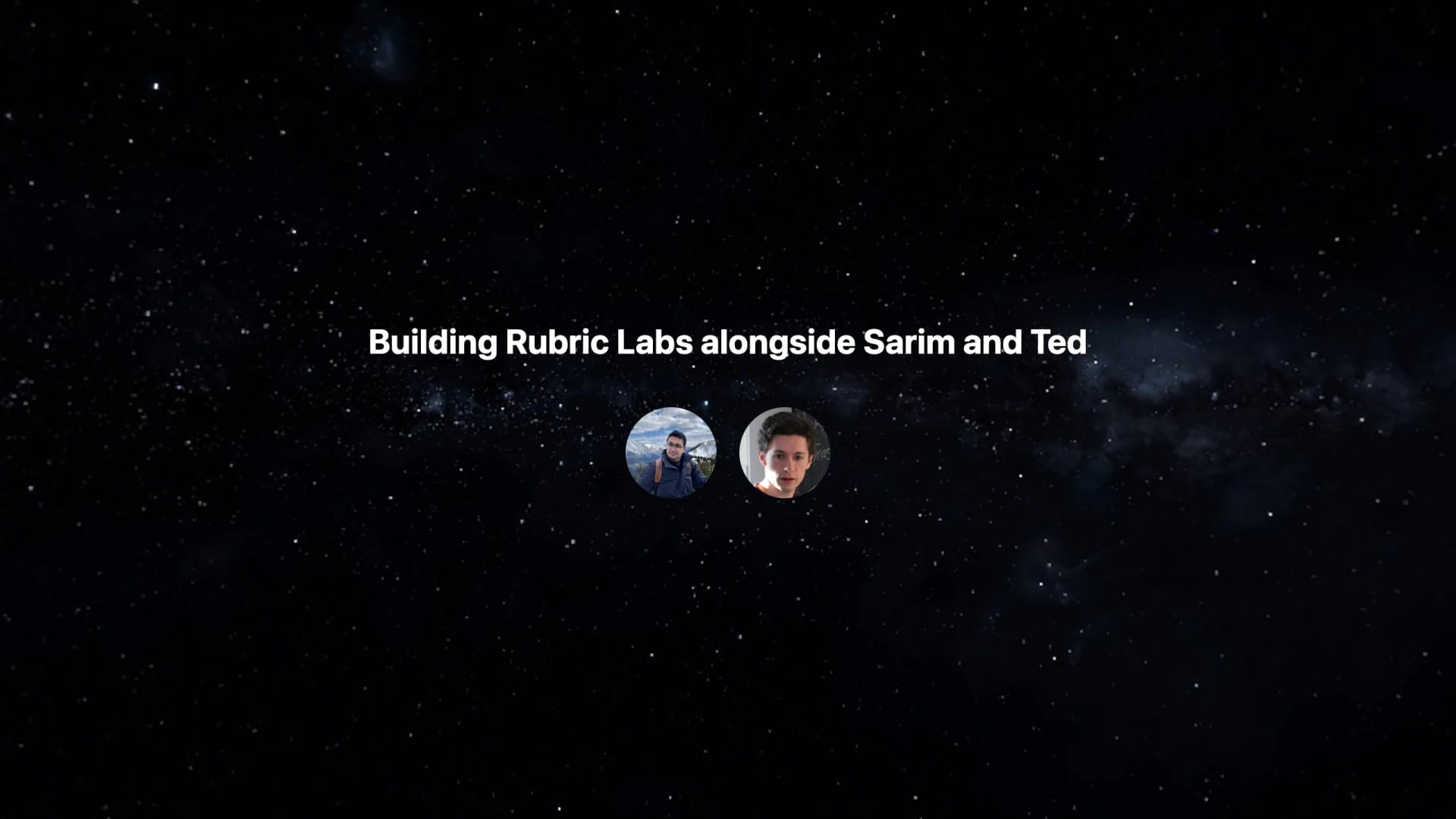
Our first tests gave the model full creative freedom, and the films weren’t good enough. So we built a bank of animated scenes, some of them in 3D: a planet, a flashback, your top languages, the people you worked with. The model picks the scenes, puts them in order, and writes every line on screen.
Each scene declares the data it needs, like the planet an intro opens on, and every script is checked against those declarations before it plays. A scene never plays without its data.
Save the script, not the video
Year in Code stores each film as its script, and your browser plays the scenes live from it. That cut storage and bandwidth by about 100× and kept every film interactive. Each film also has its own link, so a friend who opens it watches the same film, played from the same script.
Rendering an MP4 is the most expensive step, so it only happens when someone downloads their film to share it, and only once per person.
Open source
Year in Code asks for the fewest GitHub permissions it needs, and none that reach your code. It’s also open source, so any developer can check exactly what it reads, and see how the scenes and the script fit together.