Can a small model learn UI design from visual feedback?
Result
After visual reinforcement learning, Qwen3.5-9B won 67.7% of blind model judgments against its untrained base. It won 47.9% against the base model’s best-of-four approach.
How often the trained model wins
- Against supervised training alone88%
95% interval: 80.2–94.8%
- Against the untrained base67.7%
95% interval: 57.3–77.1%
- Against base best-of-four47.9%
95% interval: 37.5–58.3%
Before and after training
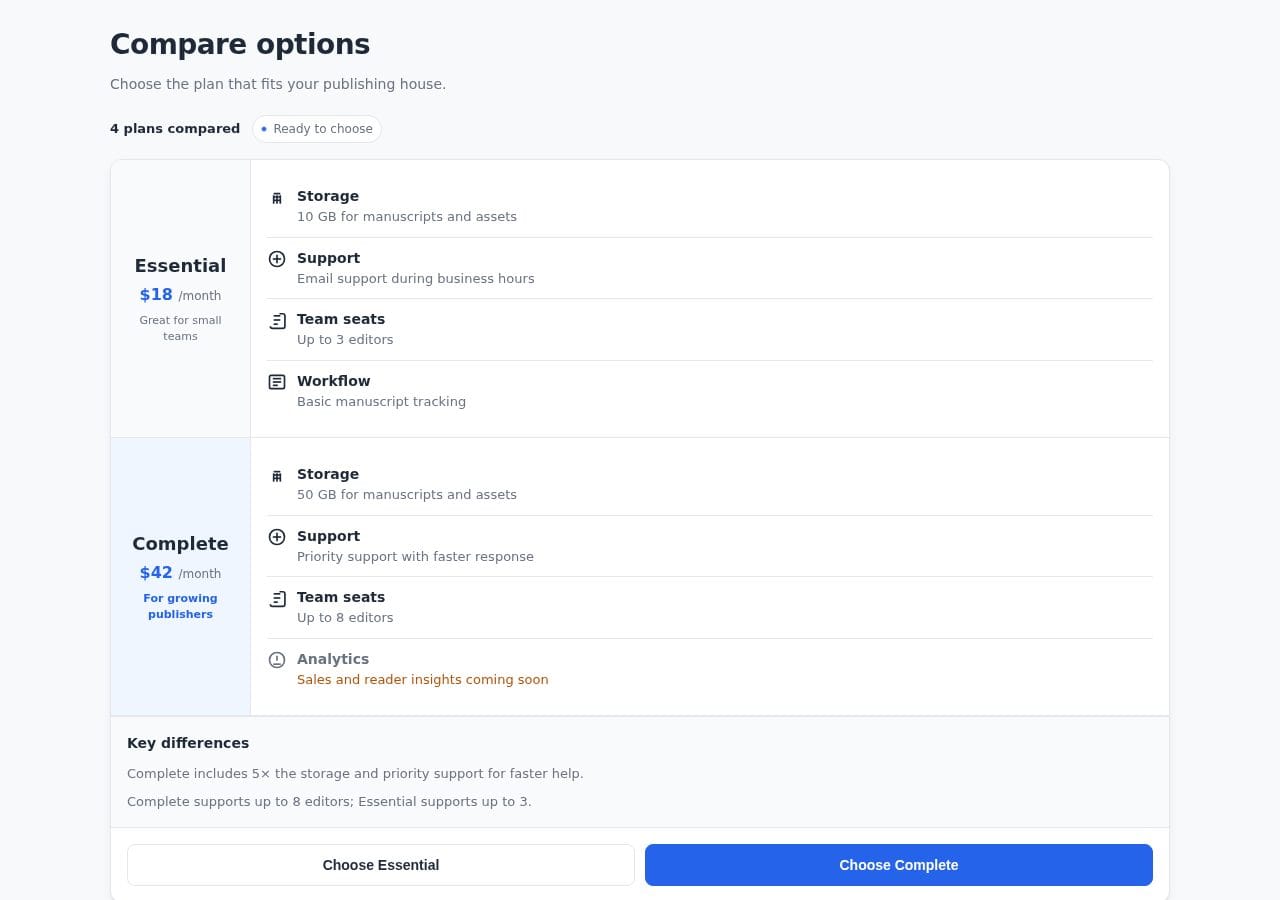
Alder plan comparison
Before training
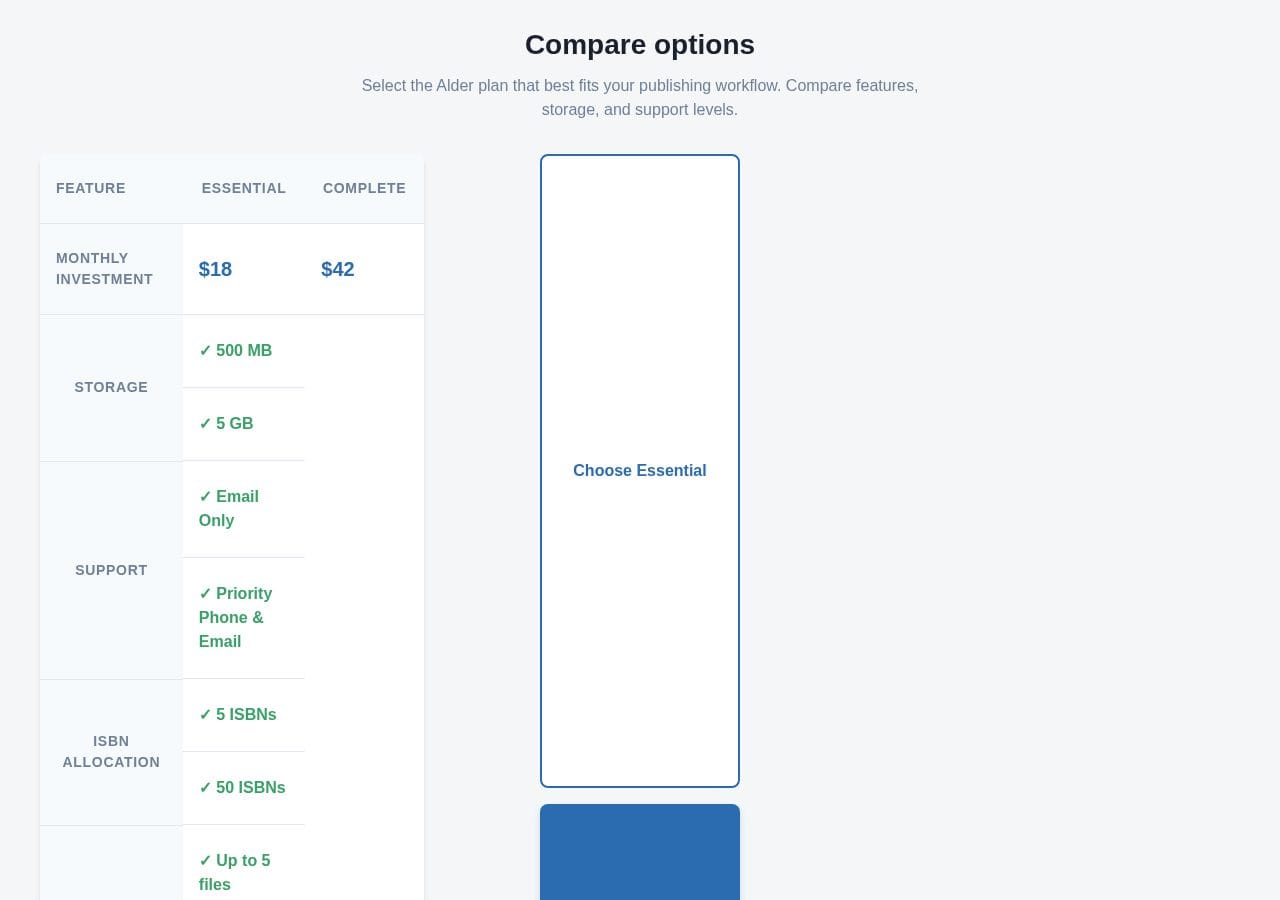
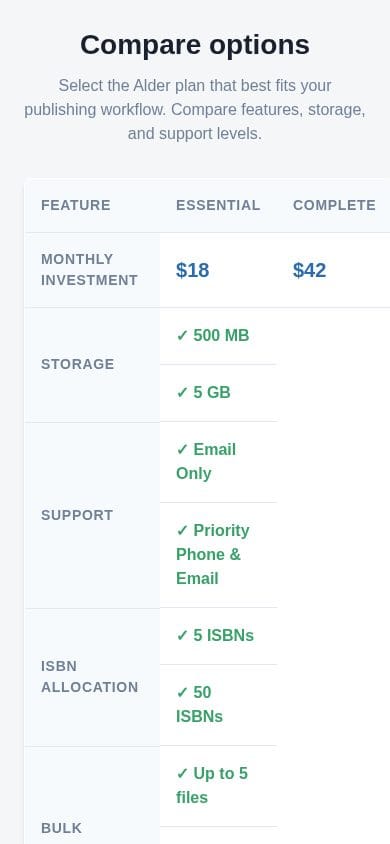
After training

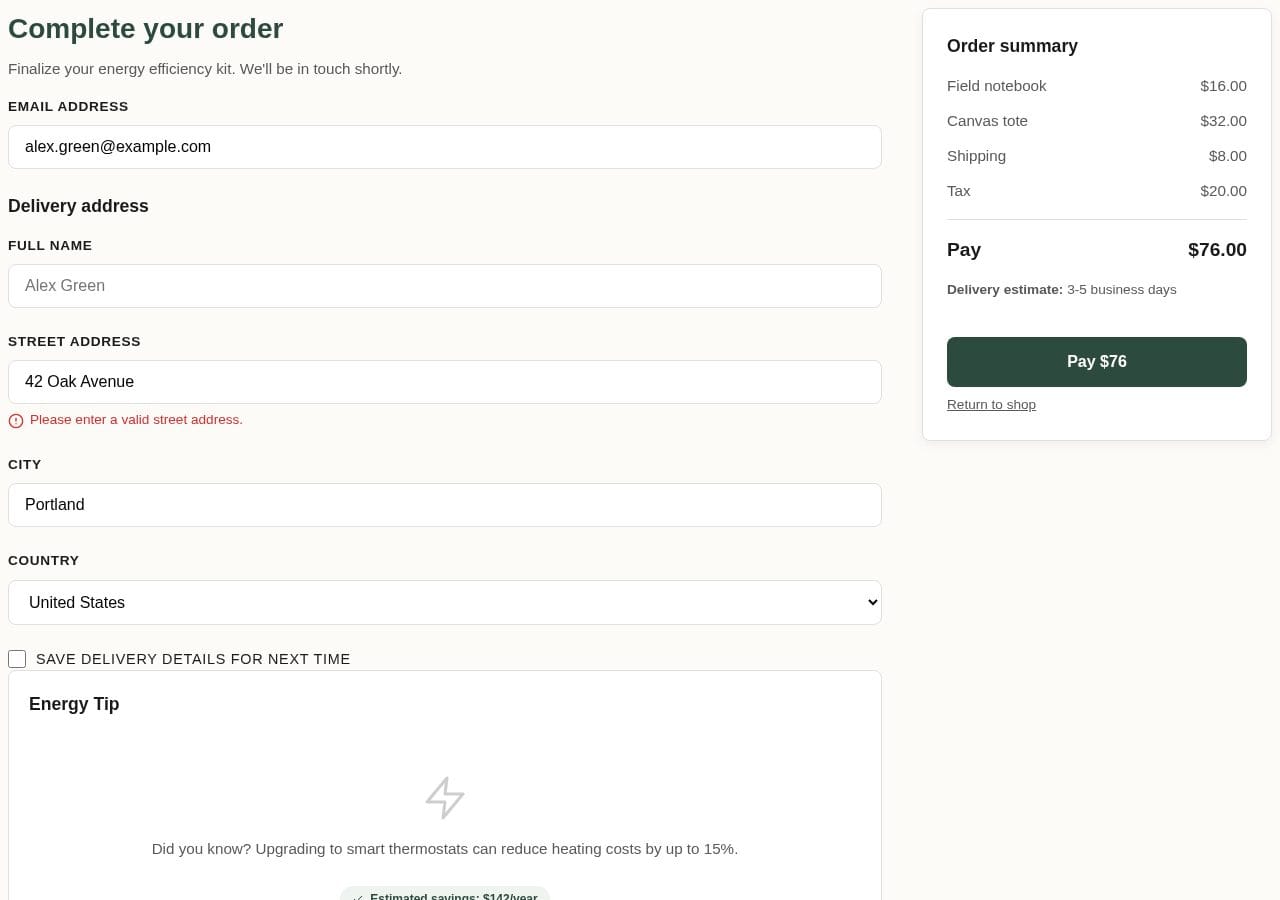
Rill checkout
Before training

After training
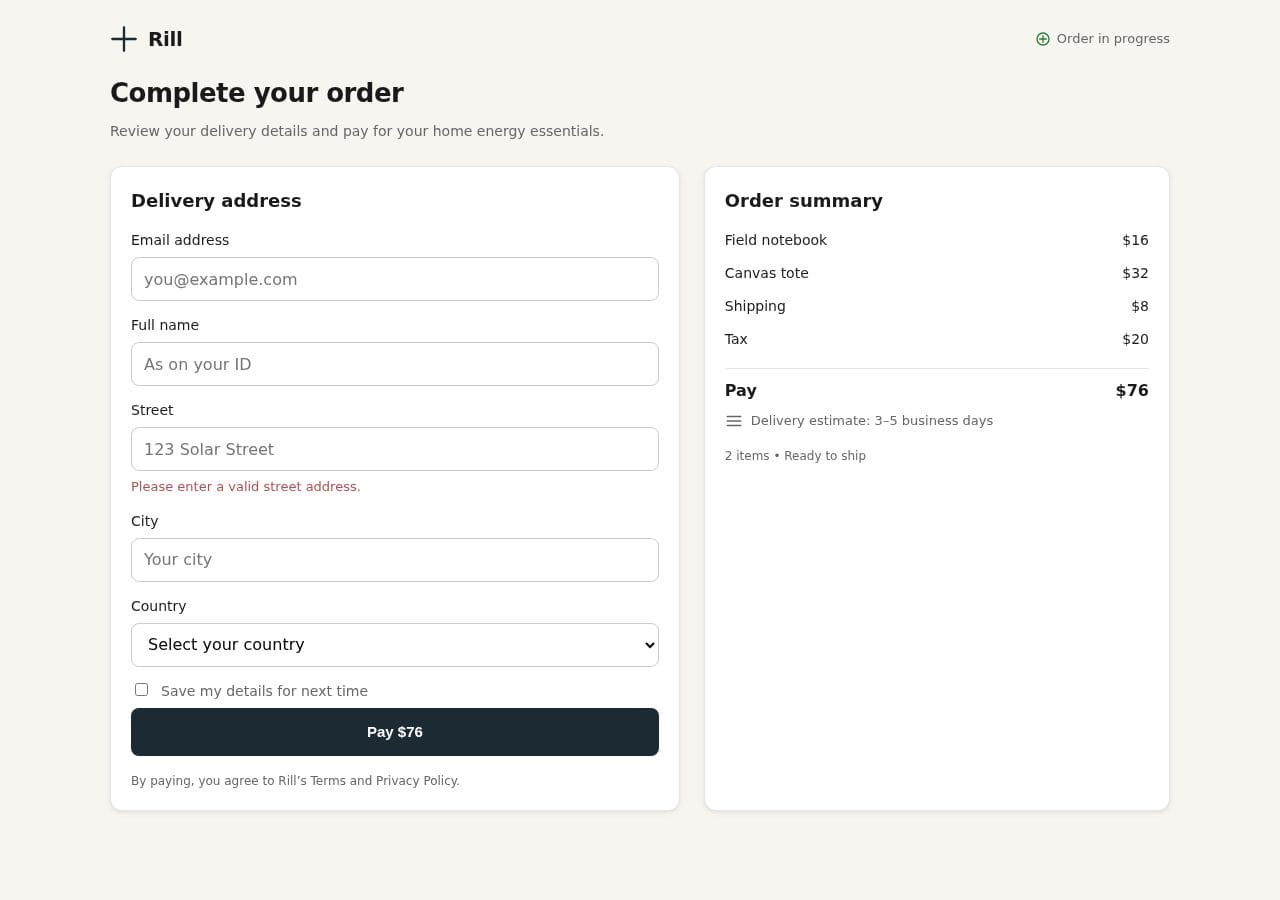
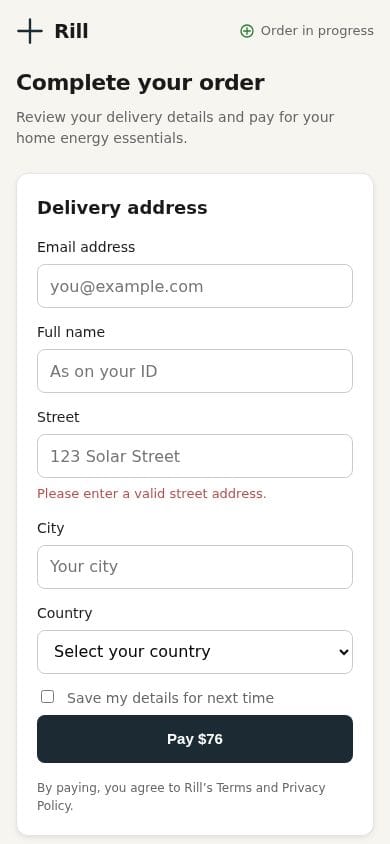
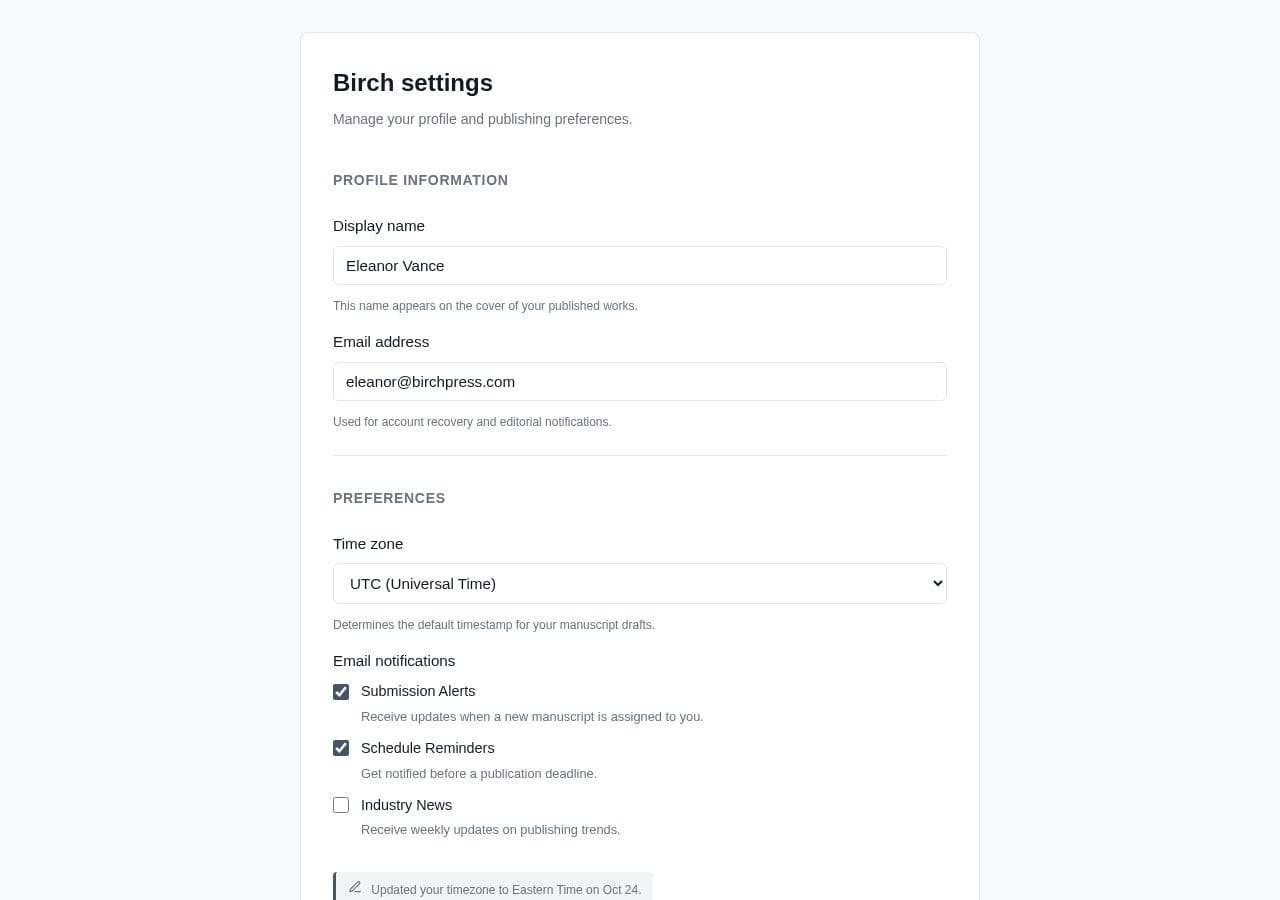
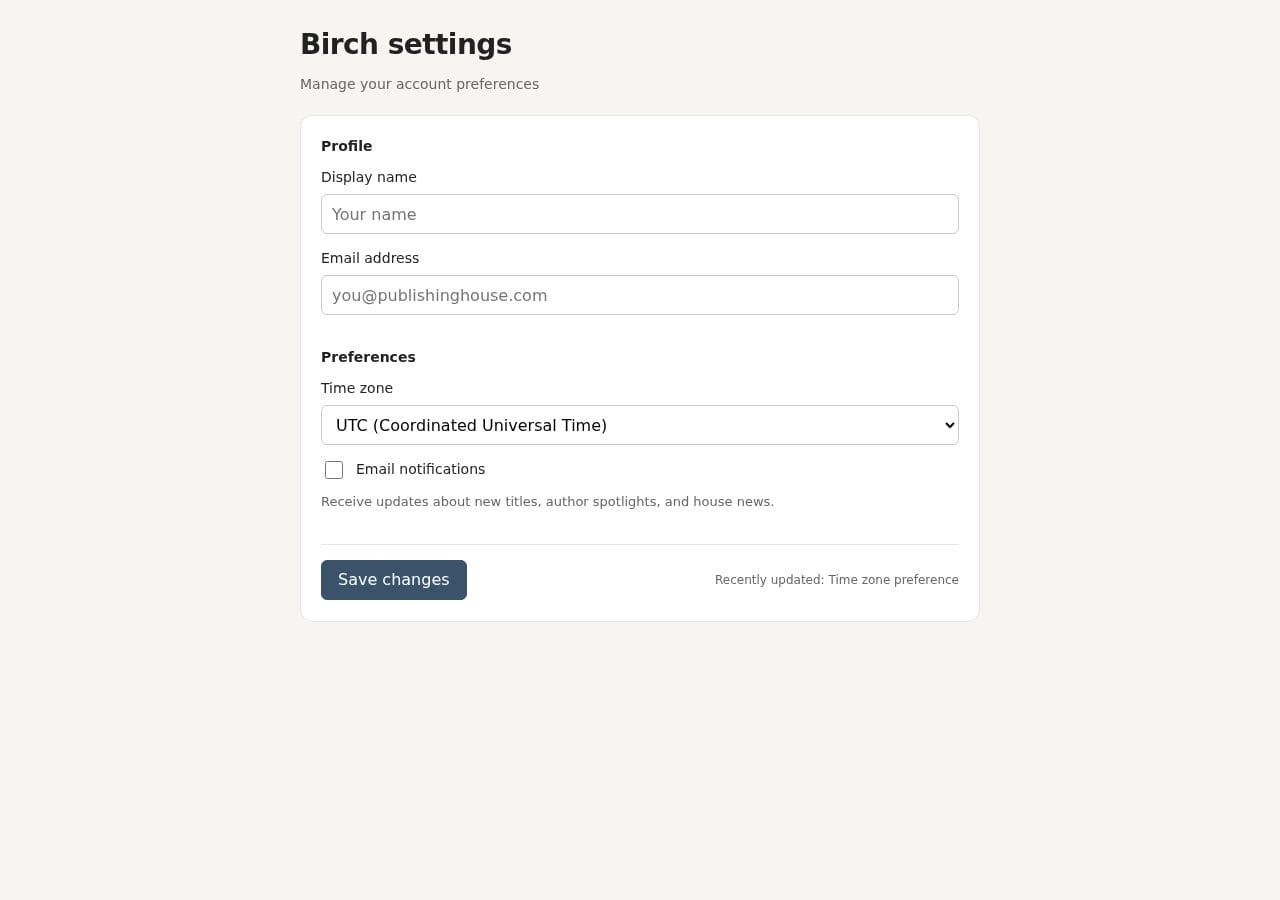
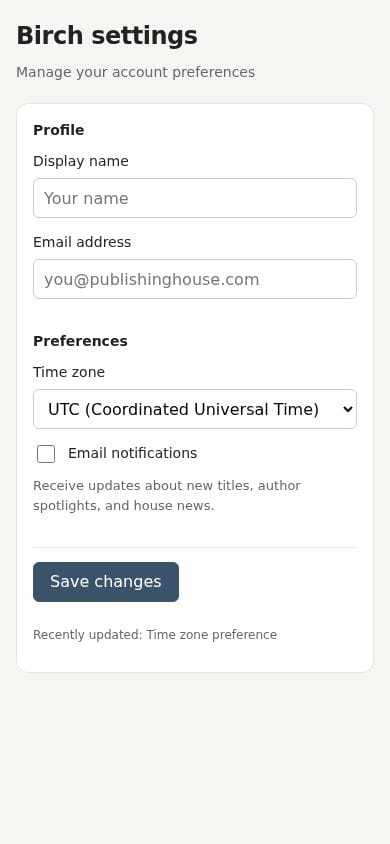
Birch settings
Before training

After training
Methodology
Start with Qwen3.5-9B and 205 example interfaces, then run 512 reinforcement-learning updates using screenshot feedback from GPT-6.1 Sol. Test on 48 unseen briefs with two seeds, rendering each UI at desktop and mobile sizes. Blindly compare the trained model against the untrained base, supervised training alone, and best-of-four sampling: 96 comparisons per control. Training and evaluation use the same judge family, so this tests adaptation to its visual preferences.
Fine-tuning dataset (205 interfaces)